
Crawlability
Help search engines reach the pages that matter.
Doctor SEO / Website SEO
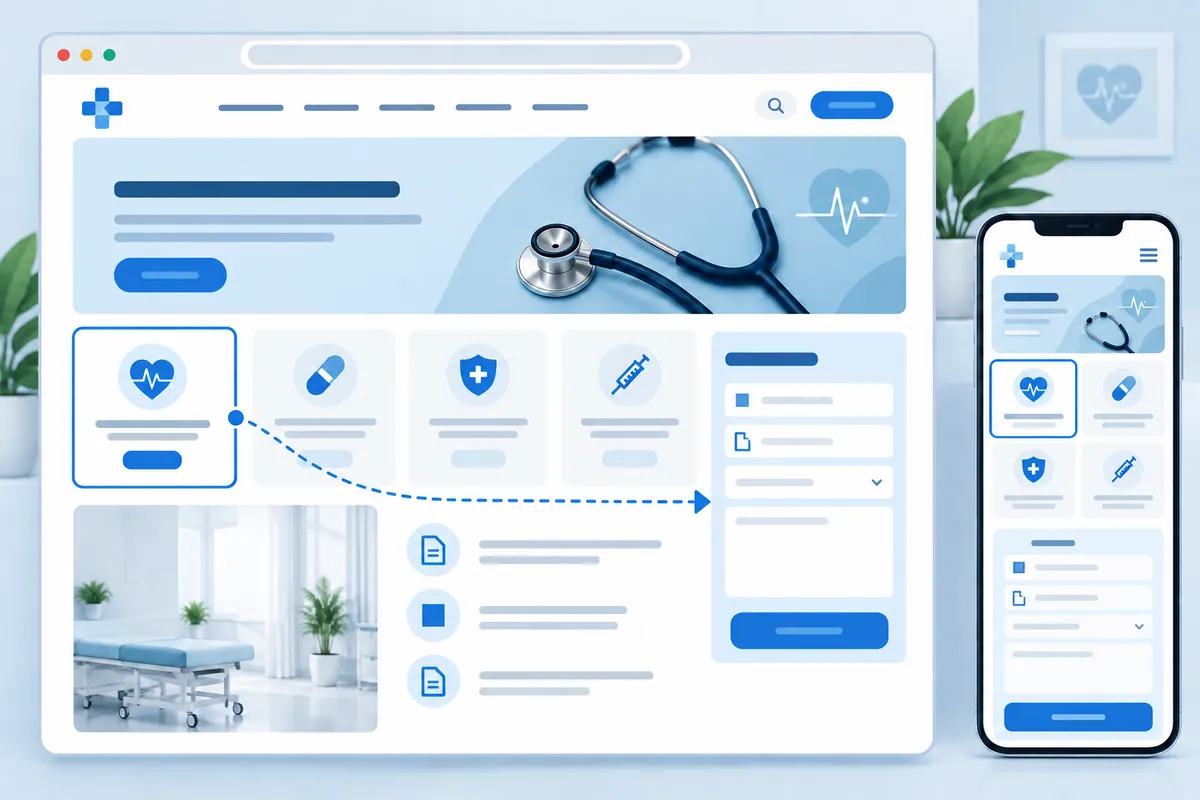
Doctor website SEO focuses on whether people can discover your service pages, understand the information and reach the right appointment route. We check the website behind that journey and explain any faults in practical terms.
Specialist healthcare SEO
Fix the technical and structural problems that stop strong medical services from being discovered.

Website foundations
New pages cannot perform properly when search engines encounter confused architecture, conflicting signals or important content that is difficult to reach.
Help search engines reach the pages that matter.
Organise services, clinicians and locations logically.
Check mobile usability, speed and key interactions.
Scope
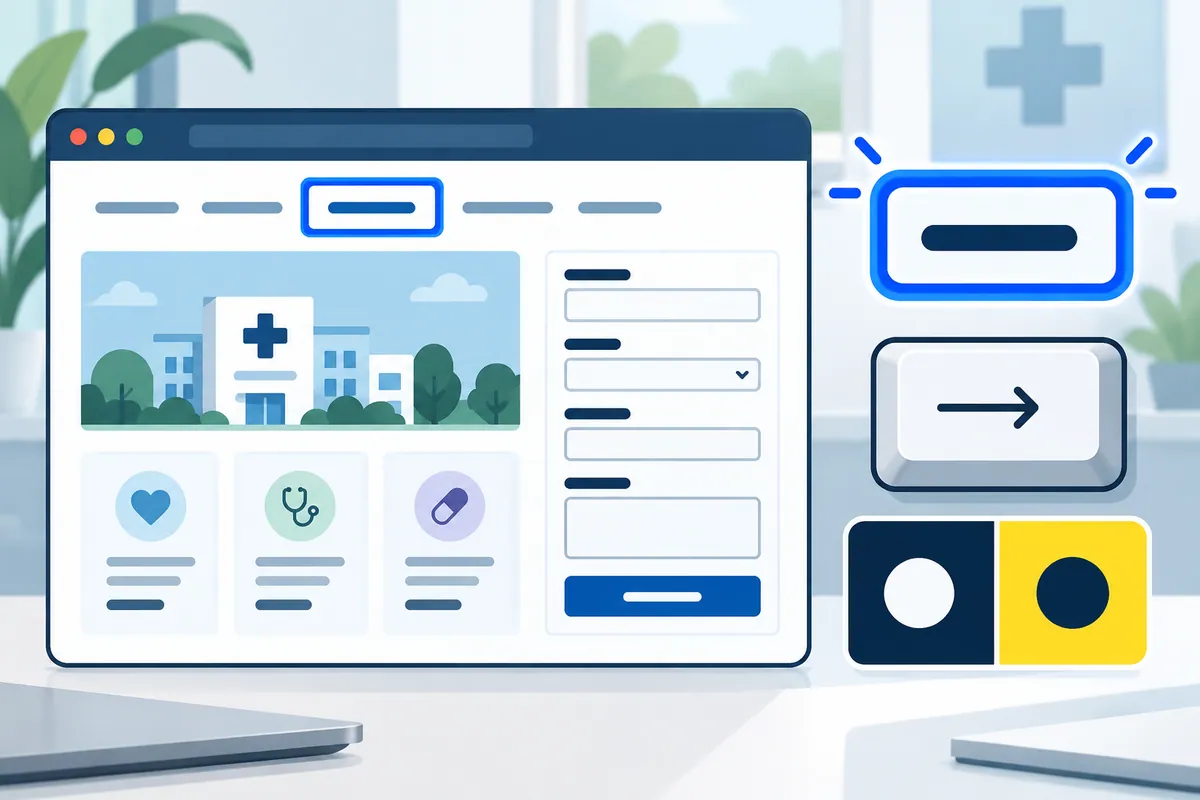
The review follows the path from discovery to enquiry: whether pages can be crawled, whether their purpose is clear, and whether people can use them comfortably on any device.
A repair you can check
Related doctor SEO pages
Explore content, local search and full-service support after the website foundation is sound.
Connect website improvements to content and patient discovery.
Service scopeWhat a doctor SEO service includes: technical SEO, local visibility, content and reporting.
Local intentHelp nearby patients find accurate practice details and the right appointment route.
ConsultingAudit, strategy and advisory support for in-house or existing marketing teams.
Authority sources
Official Google guidance for creating useful, people-first content.
GoogleGoogle guidance on making page meaning easier for search systems to understand.
NHSNHS guidance on writing clear, understandable health information.
FAQ
Doctor website SEO improves the technical and on-page structure of a medical website so search engines can crawl, understand and rank it.
Usually no. It should support local SEO, content, trust signals and ongoing search strategy.
Yes. Structured data is part of the technical SEO review for doctor and medical websites.
For each important issue, request the affected page, the task that fails and a plain explanation of the proposed fix. For example, an old clinician link may open a missing page, or a mobile booking button may choose the wrong branch. Start with confirmed faults that interrupt real use.
After a correction, repeat the original task on the published site. For a form, agree a labelled test with fictional details and confirm what the receiving team sees. For search access, ask the supplier to show what setting changed and whether Google can reach the intended public page.
A technically successful repair does not guarantee a ranking increase. Keep that completion check separate from later search and enquiry results.
Start with a technical review focused on the pages that drive patient enquiries.