

What to change
Provide a concise website-information feedback route that asks for the page and the apparent error. Explain that it is not the route for an appointment or urgent clinical question.
A worked example
Illustrative example
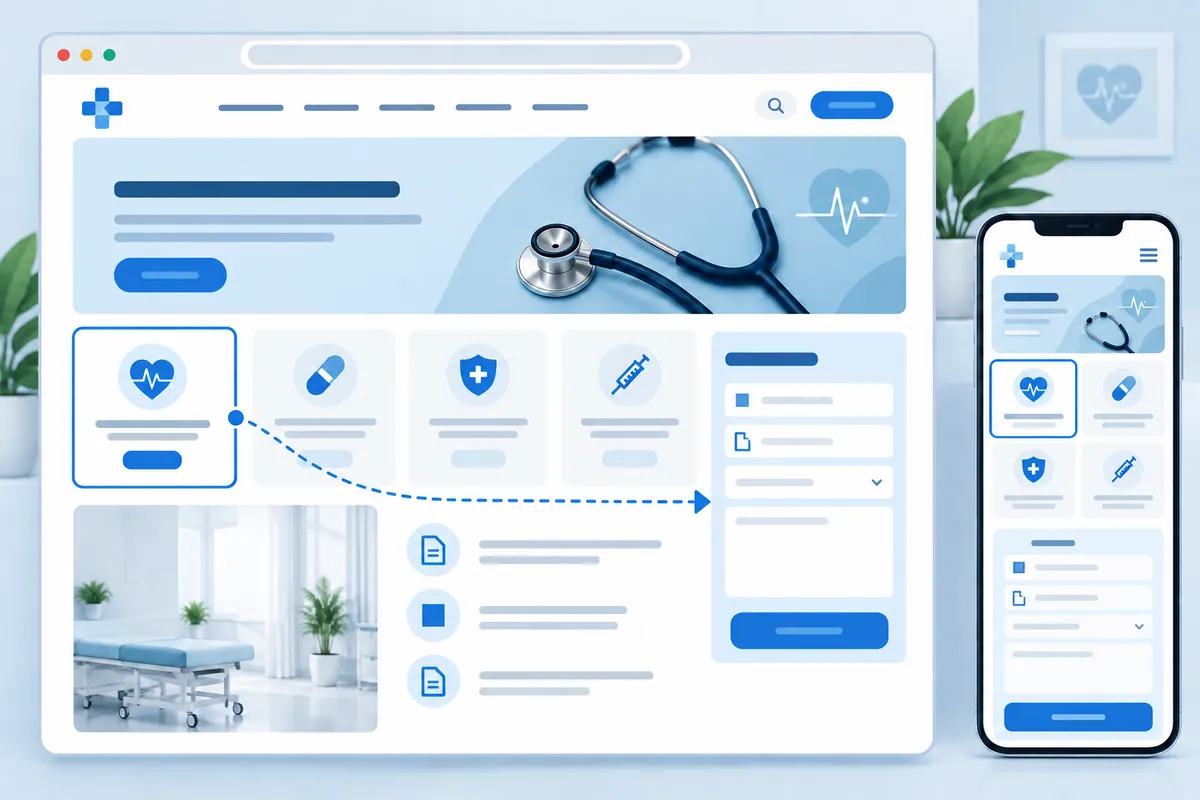
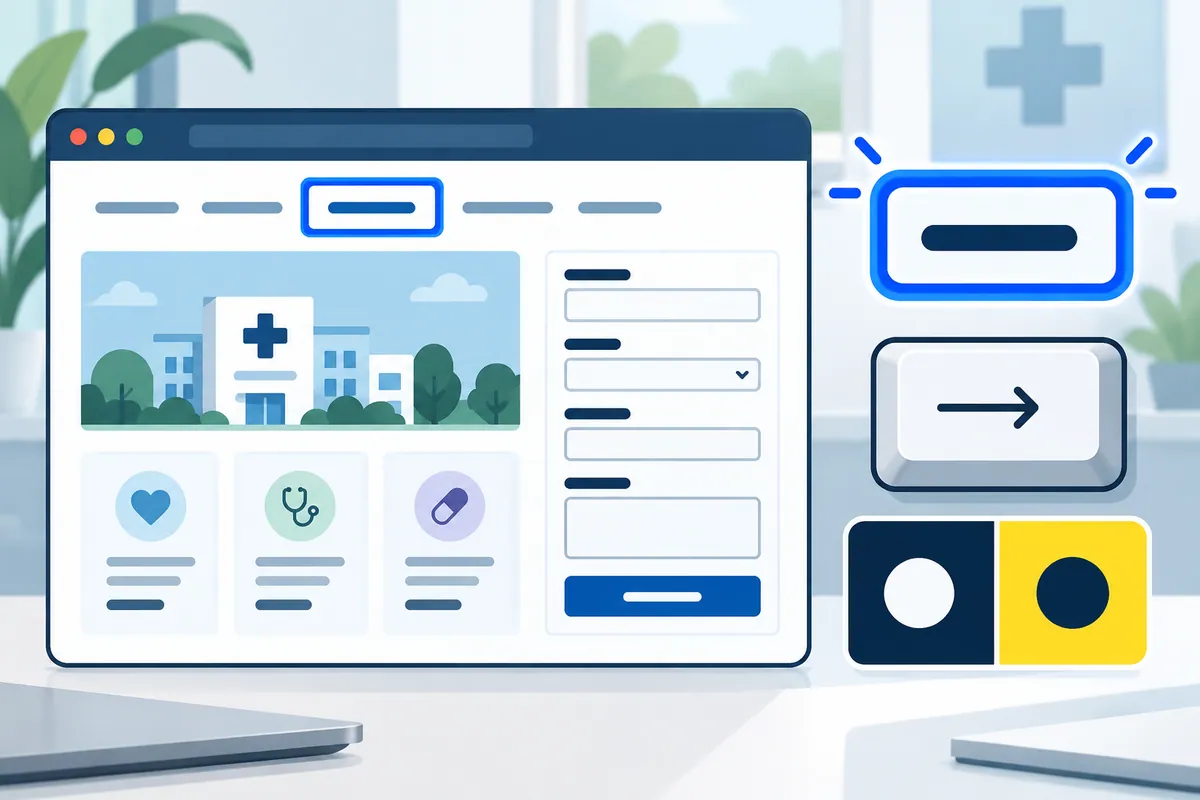
A visitor can report that the location page names an entrance no longer in use. The form asks which page they viewed and what needs checking, rather than requesting patient identifiers.
Put it into practice
Ask who receives these reports and how corrections are checked. The acknowledgement can thank them and explain the review route without claiming the reported change has already been accepted or published.
Include a simple way to identify the page, such as its title or address. Asking for unnecessary screenshots or account details can discourage a useful correction that only needs a short description.
What to agree before publishing
Ask the receiving colleague what information makes a correction report useful. Usually the page title or link and a short description of the issue are a helpful starting point. Avoid asking for personal appointment details when someone is reporting an incorrect address or broken link. Explain that the report will be checked rather than promising immediate publication of any suggested change. Keep the route simple enough to encourage useful feedback while giving the editor sufficient context to locate the problem without another round of questions.
How to check the result
The practice receives enough context to investigate a content problem without confusing it with a care enquiry.
A mistake to avoid
Do not tell people a correction is confirmed until the responsible person has checked the underlying fact.
Turn reading into a next step
Your action checklist
Work through these checks with your team or supplier. Tick the ones you have resolved and leave unknowns open.
Record what you know, what is still missing and the answer you need from your team or supplier.
Use project decisions only, without personal, patient or confidential details. Entries stay in this page and are not submitted to Kay & Co. Copy or download before leaving; this page does not save your notes.
Further reading
These sources provide background for the topic. The practice examples and checklist are illustrative planning suggestions from Kay & Co.
Related guides
Need help with this?
Tell us what is getting in the way. Kay & Co. can help you understand the options and turn the next step into something that works for your practice.
Explore websites & patient experience services or discuss your project.
Try the free Healthcare Digital Planner to find your starting priority.