

What this means for your practice
Use clear titles, ownership and version handling for downloadable material. Clinical content should follow the provider's review process; the website should make status understandable.
An example to discuss with your team
Open an old document link and inspect how its status is explained.
A practical example
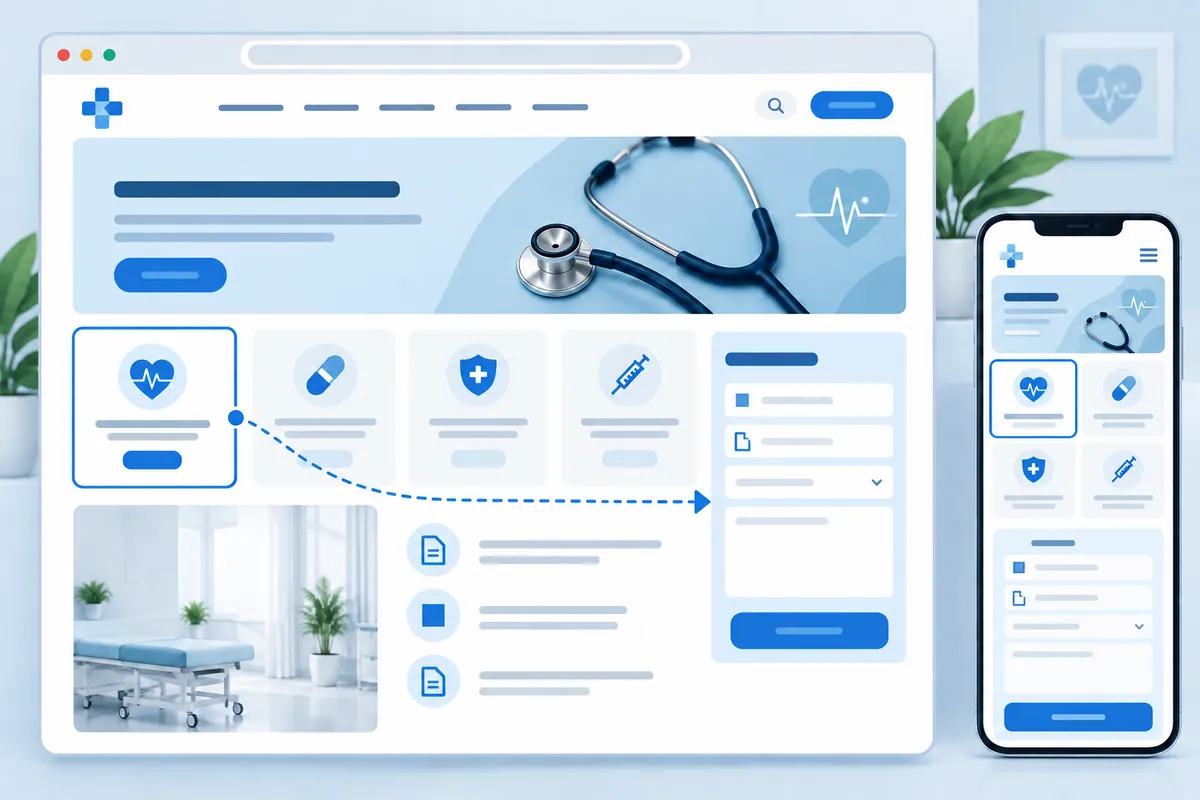
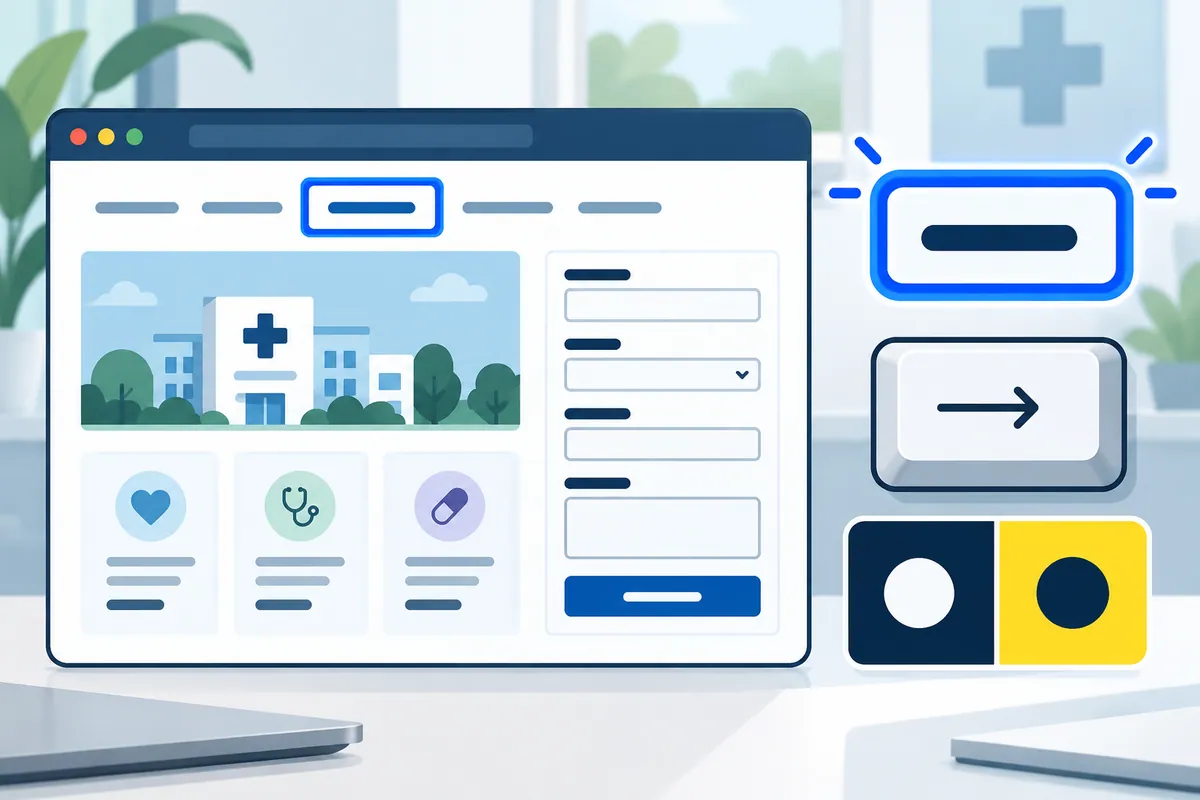
For example, a revised visit pack should be linked consistently from the service page and booking message. An older saved link needs appropriate treatment so it does not silently present superseded instructions as current. Ask your supplier to demonstrate that route. A good result makes the approved information obvious and gives the team a manageable way to replace future editions without scattering more copies across the site.
Keep older files from appearing equally current in the download list. The appropriate treatment depends on the content, but the public distinction should be clear. Ask the owner what a patient using a saved older copy needs to know and agree a useful route to the current information.
Make this improvement work
Give each download a recognisable title, current status and responsible owner. Readers should not need to compare obscure filenames to decide which instructions apply. Ask the supplier to demonstrate how an old saved link behaves after replacement and how archived material is distinguished from current guidance. Follow the provider's review process for clinical content rather than treating upload date as approval. Include the library listing and any service-page links in the check. Keep a route for reporting a doubtful document. The practical aim is for visitors and staff to identify the intended version confidently wherever they enter the download journey.
How to check the result
Track outdated downloads still linked from active pages.
Turn reading into a next step
Your action checklist
Work through these checks with your team or supplier. Tick the ones you have resolved and leave unknowns open.
Record what you know, what is still missing and the answer you need from your team or supplier.
Use project decisions only, without personal, patient or confidential details. Entries stay in this page and are not submitted to Kay & Co. Copy or download before leaving; this page does not save your notes.
Further reading
These sources provide background for the topic. The practice examples and checklist are illustrative planning suggestions from Kay & Co.
Related guides
Need help with this?
Tell us what is getting in the way. Kay & Co. can help you understand the options and turn the next step into something that works for your practice.
Explore websites & patient experience services or discuss your project.
Try the free Healthcare Digital Planner to find your starting priority.