

What this means for your practice
Define the automation as a task prompt with a named human owner. Keep clinical judgement and other authorised decisions in their established processes.
An example to discuss with your team
Use a fictional event requiring judgement; the system should create a review task rather than decide.

A practical conversation with your supplier
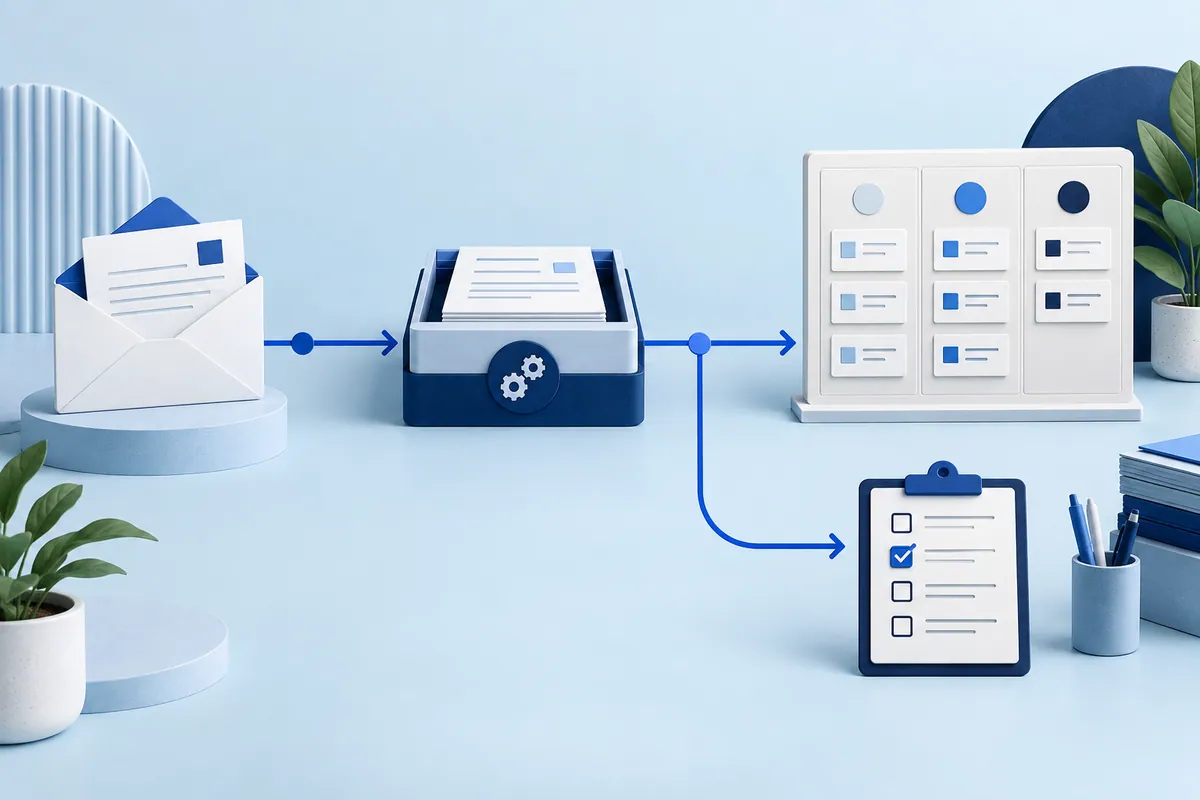
Use a fictional event requiring judgement and inspect what is created. The task should explain the question or check needed, its owner and any stop or escalation rule. Clinical and other authorised decisions remain in their established processes. The automation's value is helping the right work receive attention.
Plan the first improvement
Describe the event that creates a reminder and the human action it is meant to prompt. A task such as review the missing administrative detail should be clear about what is missing and who can decide the next step. Avoid labels that imply the automation has already judged the appropriate response. Give the owner access to the relevant context through the approved workflow, without copying unnecessary information into another task list. Agree when the reminder should stop, wait or reach a different responsible person.
Some work may be complete in another system, while other items remain open for a legitimate reason. Include both in the demonstration. Ask staff to explain several sample tasks in their own words: if they cannot tell what decision or check is required, the wording needs attention. Review unclear reminders as a design problem rather than assume colleagues need more training. The automation should make responsibilities easier to see while leaving authorised decisions where they belong.
How to check the result
Count tasks whose required human action is unclear.
Turn reading into a next step
Your action checklist
Work through these checks with your team or supplier. Tick the ones you have resolved and leave unknowns open.
Record what you know, what is still missing and the answer you need from your team or supplier.
Use project decisions only, without personal, patient or confidential details. Entries stay in this page and are not submitted to Kay & Co. Copy or download before leaving; this page does not save your notes.
Further reading
These sources provide background for the topic. The practice examples and checklist are illustrative planning suggestions from Kay & Co.
Related guides
Need help with this?
Tell us what is getting in the way. Kay & Co. can help you understand the options and turn the next step into something that works for your practice.
Explore ai & automation services or discuss your project.
Try the free Healthcare Digital Planner to find your starting priority.