

What this means for your practice
Use a stable, clearly named destination and connect it to the booking journey. Check that the information remains available on the devices patients actually use.
An example to discuss with your team
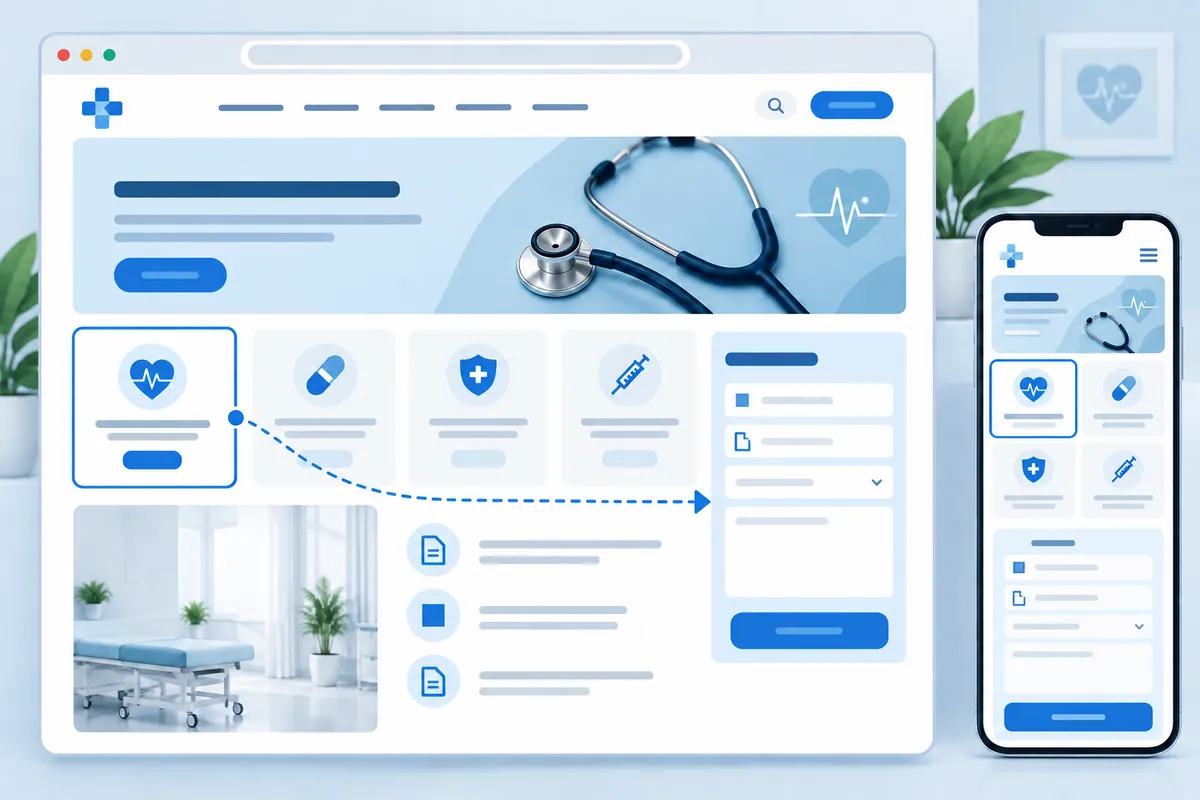
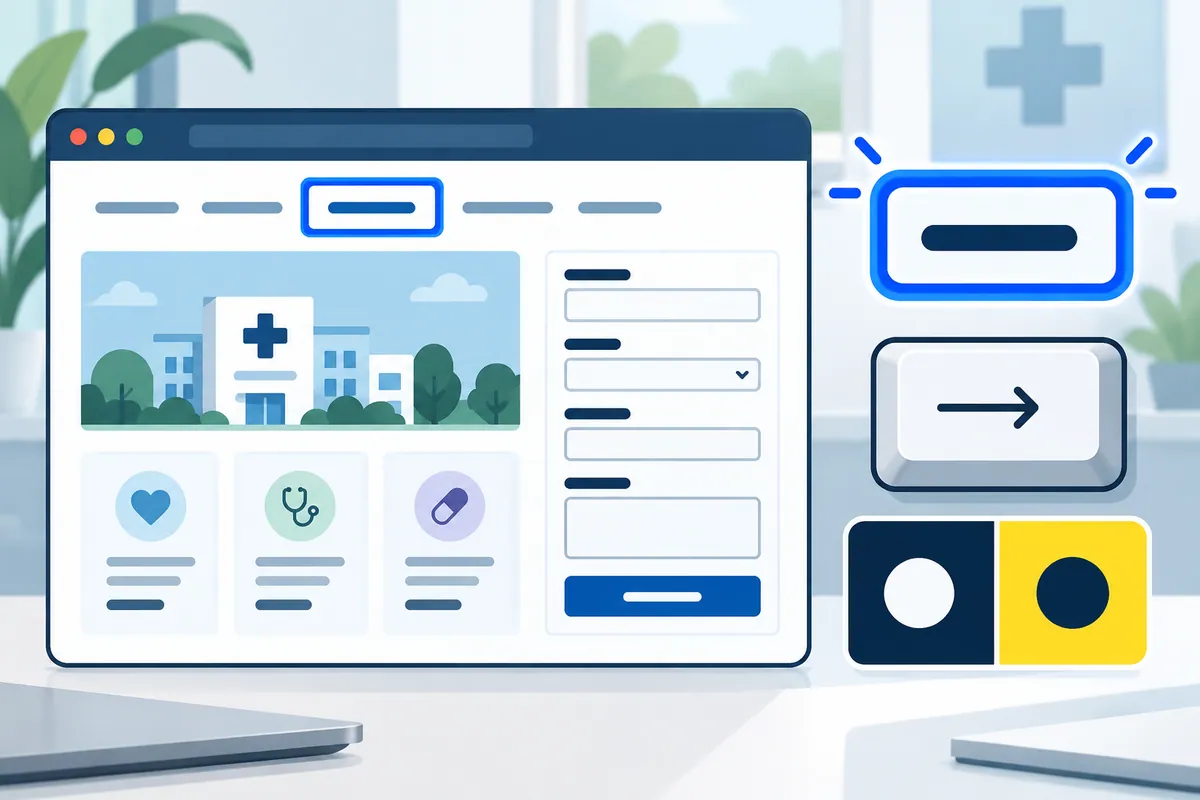
Find the preparation page from a fictional booking message on a phone.
A practical example
For example, a confirmation for a named appointment should lead to preparation information using the same appointment name. Ask your supplier to test that link and the page on a phone. Ask reception whether the title matches what patients say when calling. A good result is information that can be found again easily, rather than another attachment or page people must ask the team to resend.
Avoid using a temporary file-sharing link as the only route in appointment messages if the practice cannot maintain it. Ask the supplier for a dependable destination and a way to update the information without invalidating every earlier confirmation link patients may have saved.
Make this improvement work
Choose a maintained destination with a title that matches the appointment language patients receive. Link it from the relevant booking information and approved reminder messages, then test those routes on a phone. A page being present in the site menu does not establish that somebody can find it when checking an appointment message later. Ask an unfamiliar reader to locate the right instructions without opening unrelated preparation pages. Keep different appointment types clearly distinguished and provide an appropriate route for uncertainty. Review copied message templates when the destination changes so a corrected website does not leave patients following outdated links.
How to check the result
Track repeated requests for already-published preparation information.
Turn reading into a next step
Your action checklist
Work through these checks with your team or supplier. Tick the ones you have resolved and leave unknowns open.
Record what you know, what is still missing and the answer you need from your team or supplier.
Use project decisions only, without personal, patient or confidential details. Entries stay in this page and are not submitted to Kay & Co. Copy or download before leaving; this page does not save your notes.
Further reading
These sources provide background for the topic. The practice examples and checklist are illustrative planning suggestions from Kay & Co.
Related guides
Need help with this?
Tell us what is getting in the way. Kay & Co. can help you understand the options and turn the next step into something that works for your practice.
Explore websites & patient experience services or discuss your project.
Try the free Healthcare Digital Planner to find your starting priority.