

What this means for your practice
Test what the name communicates in realistic contexts. Preference questions alone do not establish that a name helps someone understand the service.
An example to discuss with your team
Use a proposed name in a fictional appointment message and inspect the interpretation.

A practical example
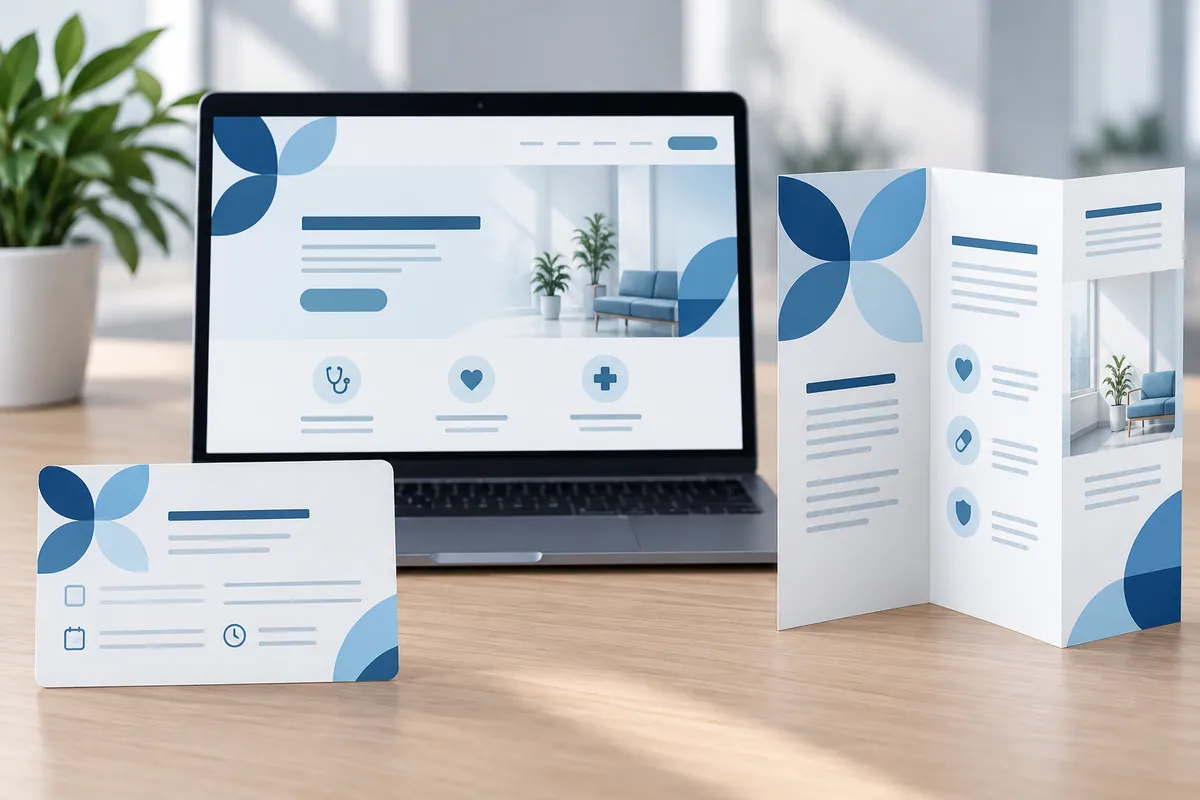
For example, a proposed name may sound like a subscription club when the practice actually offers individual appointments. Place it in a fictional appointment message and a website heading, then ask unfamiliar readers what they believe they are being invited to do. Do not explain the intended meaning before hearing their answer. Ask your designer whether a clearer accompanying description resolves the problem or whether the name itself needs another look. Keep the findings alongside the shortlist so the final decision is based on understanding as well as taste.
Try the name with the short description that would accompany it publicly. Testing an isolated word can exaggerate ambiguity that good context would resolve, while an overly generous explanation can hide a real problem. Use the amount of context a visitor would actually see.
Make the design useful in everyday work
Give readers a realistic task rather than ask only whether they like the proposed name. They might receive an appointment message, see a sign or choose between two service pages. Ask what they think the organisation offers and which next step they would take. Note misunderstandings before explaining the intended meaning; otherwise the explanation can conceal the problem being tested. Compare responses with the actual offer and revise the name or supporting description where needed. A memorable name can still create extra work if people consistently mistake it for a different provider or service.
How to check the result
Count misunderstandings that affect the intended service choice.
Turn reading into a next step
Your action checklist
Work through these checks with your team or supplier. Tick the ones you have resolved and leave unknowns open.
Record what you know, what is still missing and the answer you need from your team or supplier.
Use project decisions only, without personal, patient or confidential details. Entries stay in this page and are not submitted to Kay & Co. Copy or download before leaving; this page does not save your notes.
Further reading
These sources provide background for the topic. The practice examples and checklist are illustrative planning suggestions from Kay & Co.
Related guides
Need help with this?
Tell us what is getting in the way. Kay & Co. can help you understand the options and turn the next step into something that works for your practice.
Explore brand & design services or discuss your project.
Try the free Healthcare Digital Planner to find your starting priority.