

What this means for your practice
Plan the transition around the audience's existing understanding. Explain the relationship between old and new names where useful, with verified practical facts and consistent staff language.
An example to discuss with your team
Ask a returning-user participant to locate the renamed service.

A practical example
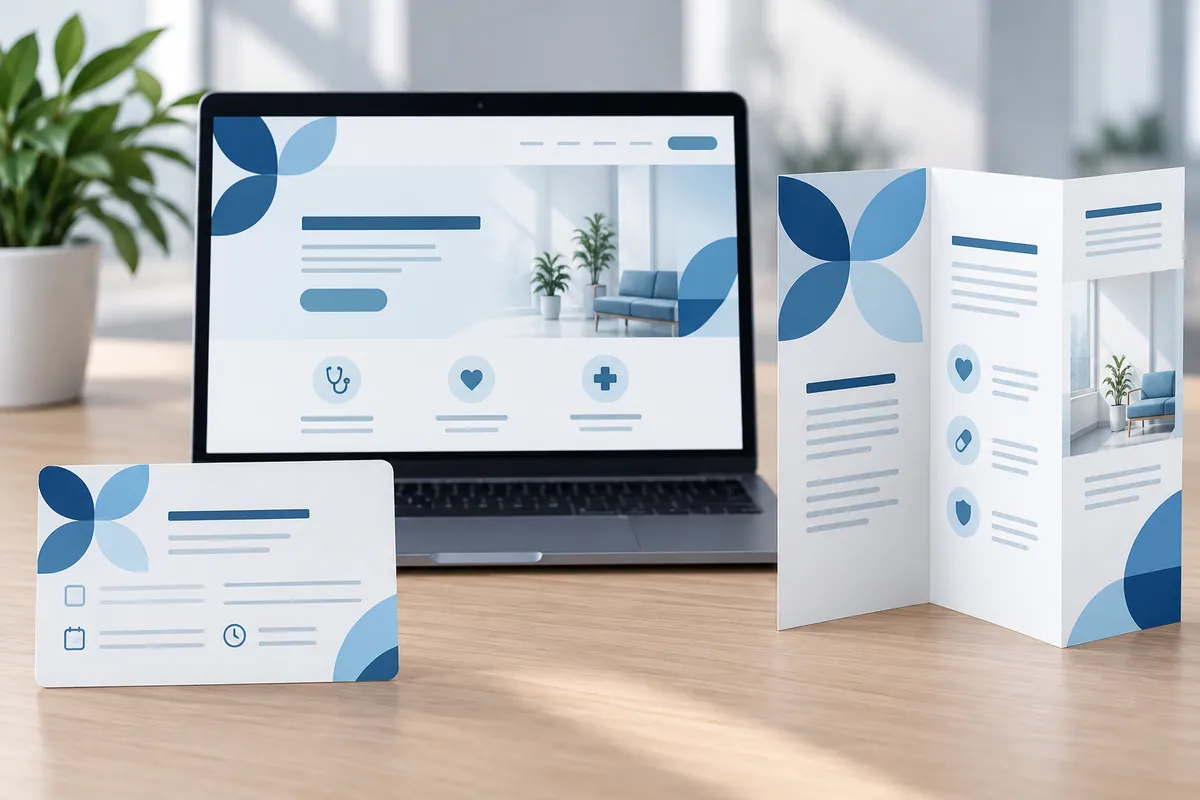
For example, a page can introduce the new name with a short reference to the former one while the transition remains useful. Ask reception which old wording callers still use. Your supplier should check menu labels, saved links, downloads and booking messages together. Give staff the same simple explanation so the website and telephone conversation agree. Set a point to review the transition wording, rather than letting two competing names remain indefinitely because nobody owns the decision to update them.
Keep a clear route for people searching the old name, including within your own website. Patients should not need to know the new terminology to find a familiar service. Review the transition wording with reception before removing it simply because the design launch is complete.
Make the design useful in everyday work
Plan the transition around people who already recognise the old name. Explain the relationship between old and new wording using facts approved by the organisation, and keep practical contact or booking details consistent. Ask the team to identify saved links, active messages and printed materials likely to remain in circulation. A temporary explanation may help returning readers understand the change without making every page repeat a long announcement. Rehearse reception's account alongside the website wording. The rename is working when existing clients can still identify the service and act with confidence, not merely when every visible logo has changed.
How to check the result
Measure confusion caused by conflicting names during transition.
Turn reading into a next step
Your action checklist
Work through these checks with your team or supplier. Tick the ones you have resolved and leave unknowns open.
Record what you know, what is still missing and the answer you need from your team or supplier.
Use project decisions only, without personal, patient or confidential details. Entries stay in this page and are not submitted to Kay & Co. Copy or download before leaving; this page does not save your notes.
Further reading
These sources provide background for the topic. The practice examples and checklist are illustrative planning suggestions from Kay & Co.
Related guides
Need help with this?
Tell us what is getting in the way. Kay & Co. can help you understand the options and turn the next step into something that works for your practice.
Explore brand & design services or discuss your project.
Try the free Healthcare Digital Planner to find your starting priority.