

What this means for your practice
Create a useful visit page owned by the local team. Include current directions and contact details, and provide a way to discuss access needs rather than assuming all visits are alike.
An example to discuss with your team
Ask someone unfamiliar with the site to plan a visit using the page alone.

A practical example
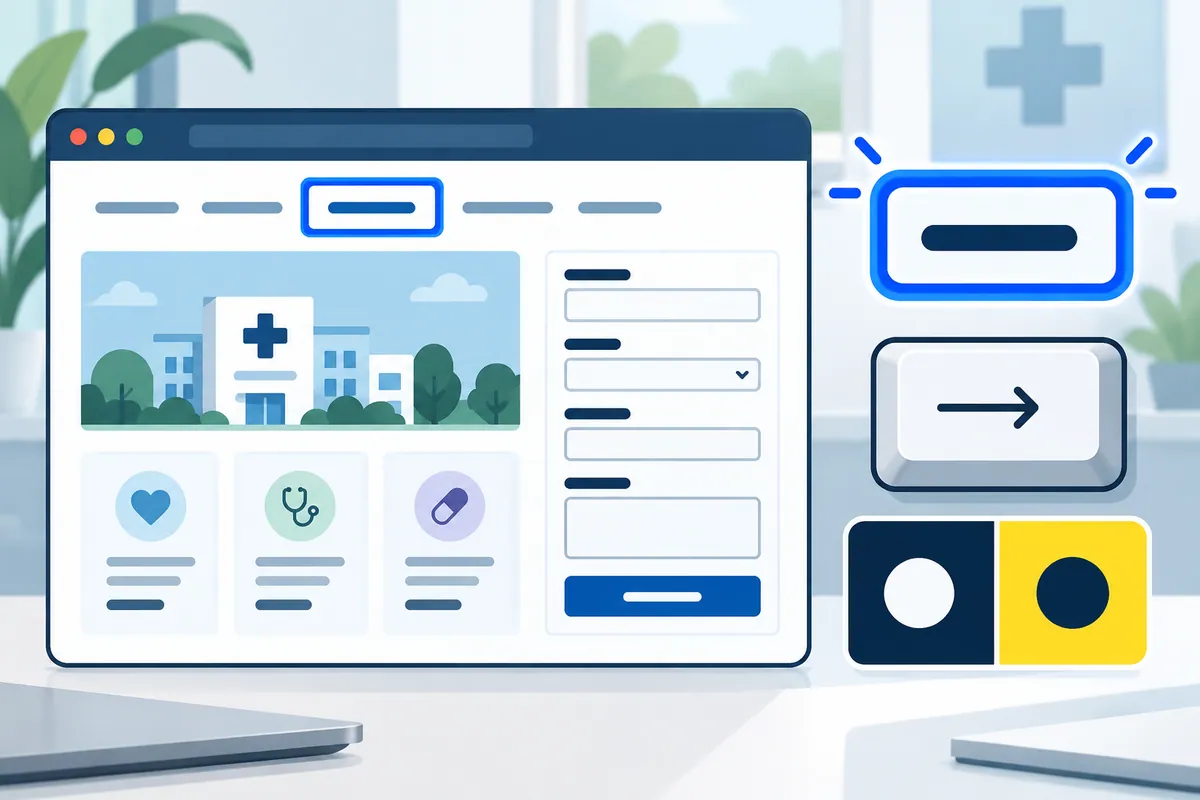
For example, a visitor may need to know whether to use the main reception or another entrance for an arranged tour. Ask a colleague unfamiliar with the site to plan the visit from the page alone. Then compare it with the confirmation message. Families should be able to find their way and know whom to contact if arrangements change, leaving the visit itself free for the questions they came to ask.
Where the visit involves more than one family member, provide a way to discuss the practical arrangement in advance. Avoid assuming the same tour format suits every enquiry. The page can remain welcoming while letting the local team confirm any support or access questions individually.
Make this improvement work
Ask the local team which arrival questions visitors most often raise after arranging a visit. Verify the route to the actual entrance, contact details and practical arrangements before putting them on the page. Give readers a way to discuss particular access needs rather than claiming that one generic description covers everyone. Ask someone unfamiliar with the site to plan a fictional visit and note every missing answer. Check confirmation emails against the maintained page so staff are not sending different versions of the directions. Assign a review trigger when entrances or visit arrangements change, including temporary changes that may not justify a full website redesign.
How to check the result
Track repeated practical questions before visits.
Turn reading into a next step
Your action checklist
Work through these checks with your team or supplier. Tick the ones you have resolved and leave unknowns open.
Record what you know, what is still missing and the answer you need from your team or supplier.
Use project decisions only, without personal, patient or confidential details. Entries stay in this page and are not submitted to Kay & Co. Copy or download before leaving; this page does not save your notes.
Further reading
These sources provide background for the topic. The practice examples and checklist are illustrative planning suggestions from Kay & Co.
Related guides
Need help with this?
Tell us what is getting in the way. Kay & Co. can help you understand the options and turn the next step into something that works for your practice.
Explore websites & patient experience services or discuss your project.
Try the free Healthcare Digital Planner to find your starting priority.