

What this means for your practice
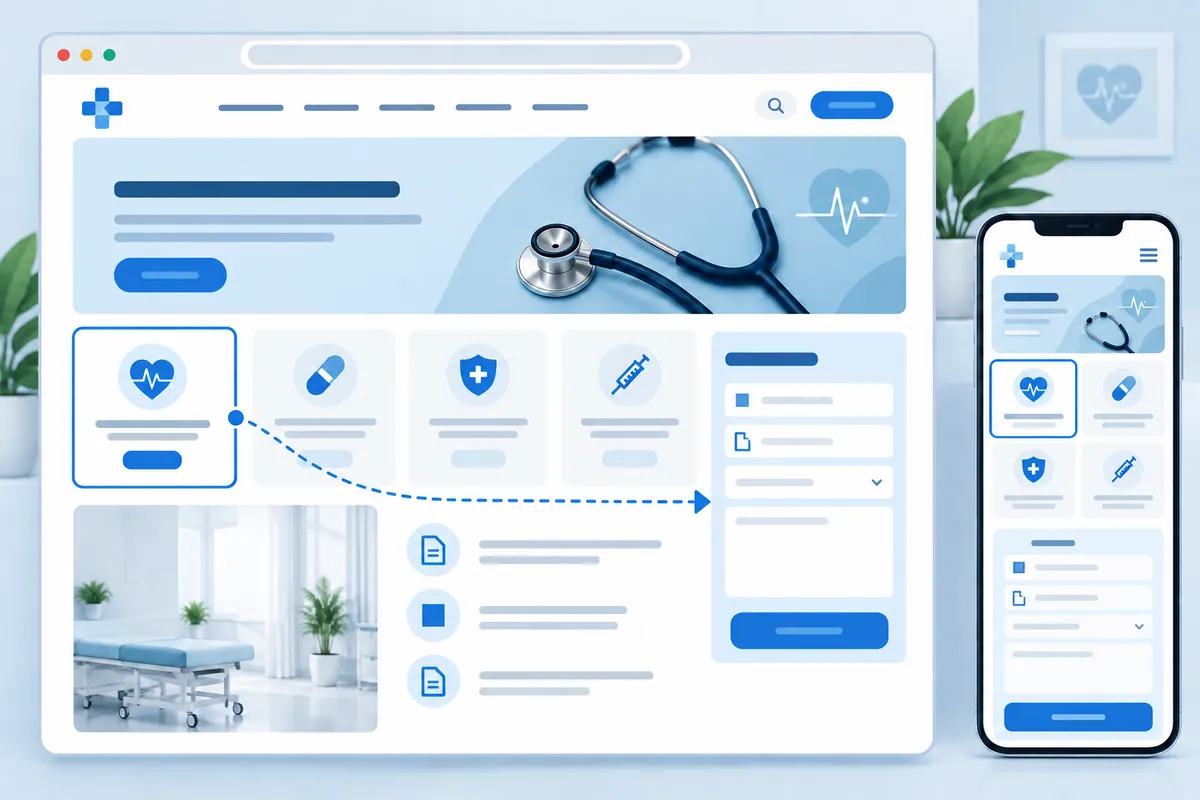
Provide a preview that represents the actual page and its important states. Include mobile presentation and linked destinations when the content affects a journey.
An example to discuss with your team
Change a fictional approved draft and check that the team recognises the need to review the new version.
A practical example
For example, a new fee note may read clearly in a document but appear far below the booking button on a phone. The preview reveals that practical problem before patients encounter it. Ask your supplier how reviewers can leave clear feedback and recognise the latest draft. A good result is approval of the information in its real setting, rather than a sign-off that never included the page people will use.
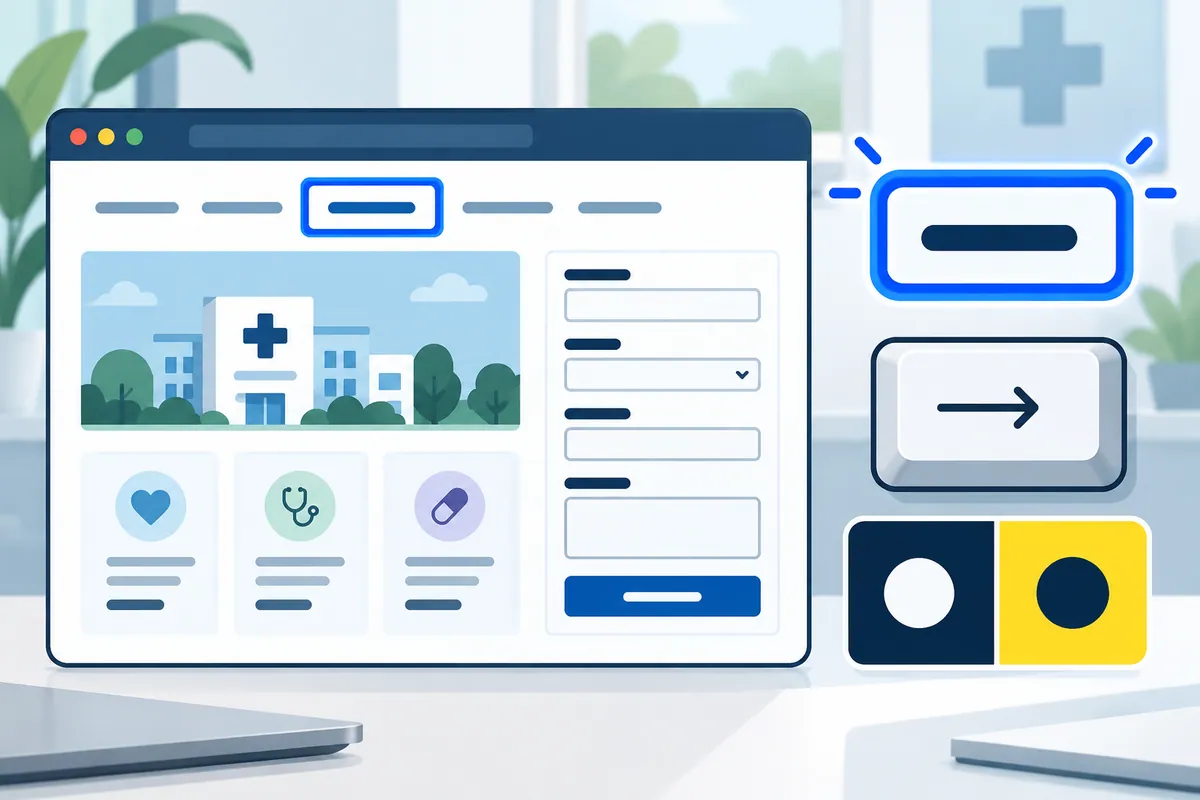
Make sure the preview includes any shared header, price panel or contact block affected by the edit. A page can look correct in isolation while an updated shared element changes another important route. Ask the supplier to identify those wider effects when the proposed change is reusable.
Make this improvement work
Agree what the reviewer must be able to inspect in a preview. That may include a service page on a phone, the destination of its main link and the confirmation wording associated with an updated form. Use actual approved text rather than placeholders, since length and meaning affect the finished layout. Ask the supplier to show whether later edits are visibly distinguishable from the version already reviewed. Keep the approval connected to the version that will be published. A preview is useful when it lets the responsible person make an informed release decision, not merely when it offers a screenshot of the page's top section.
How to check the result
Measure changes released without a matching reviewed preview.
Turn reading into a next step
Your action checklist
Work through these checks with your team or supplier. Tick the ones you have resolved and leave unknowns open.
Record what you know, what is still missing and the answer you need from your team or supplier.
Use project decisions only, without personal, patient or confidential details. Entries stay in this page and are not submitted to Kay & Co. Copy or download before leaving; this page does not save your notes.
Further reading
These sources provide background for the topic. The practice examples and checklist are illustrative planning suggestions from Kay & Co.
Related guides
Need help with this?
Tell us what is getting in the way. Kay & Co. can help you understand the options and turn the next step into something that works for your practice.
Explore websites & patient experience services or discuss your project.
Try the free Healthcare Digital Planner to find your starting priority.