

What this means for your practice
Write titles and summaries that describe the destination honestly. Review the result as a pair with the page, including whether the expected next step exists.
An example to discuss with your team
Ask a reader what they expect before opening a result and compare the actual page.
A practical example
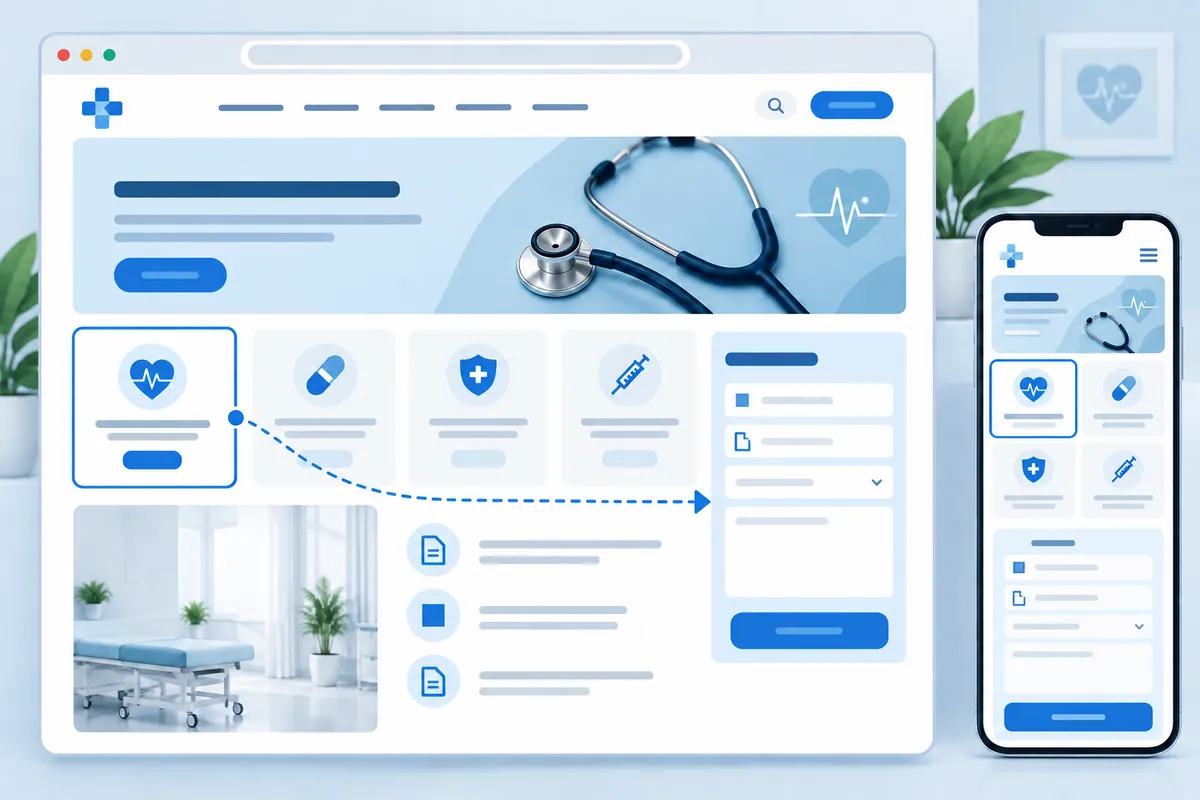
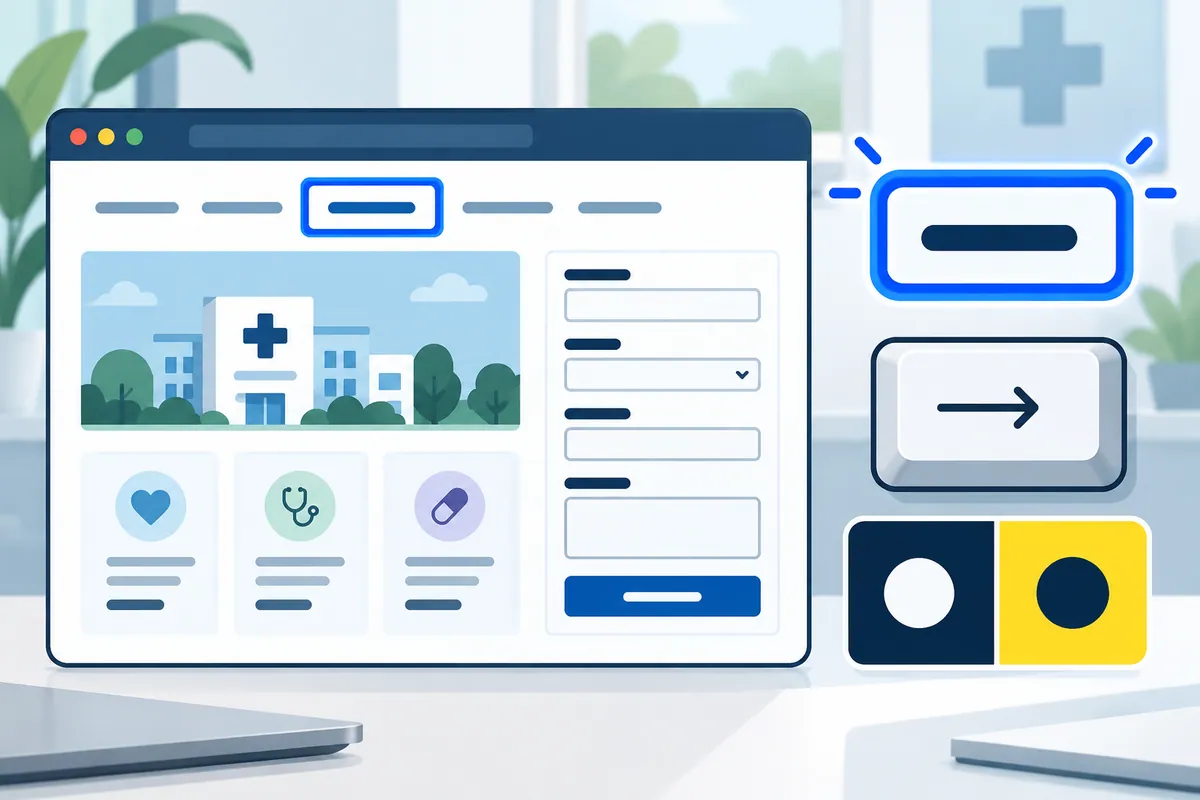
For example, a practitioner profile and a service guide may both mention the same appointment. Their summaries should explain the different purpose: learning about the person or understanding the service. Ask your writer to review each important result beside the page it opens. Check practical details after changes too. A useful result prepares the visitor for the content they actually receive, rather than using a more attractive description that the page cannot support.
Keep practical details in summaries current when the offer changes. A search description quoting a previous branch or appointment format can attract the right visitor to the wrong expectation. Include those summaries in the same update as the destination page instead of treating them as separate marketing text.
Make this improvement work
Treat the result title, short description and destination as one promise. Ask the writer to state what the page actually helps someone do, keeping any important boundary that would change the decision to open it. A result describing booking information should not lead to a general article with no appointment route. Use an unfamiliar reader to predict the destination from the summary, then compare that expectation with the page. Review summaries when page purpose changes, rather than updating only the body. This is particularly important for older service pages whose titles may survive several rounds of editing while their actual content has moved elsewhere.
How to check the result
Record mismatches between search expectations and destination content.
Turn reading into a next step
Your action checklist
Work through these checks with your team or supplier. Tick the ones you have resolved and leave unknowns open.
Record what you know, what is still missing and the answer you need from your team or supplier.
Use project decisions only, without personal, patient or confidential details. Entries stay in this page and are not submitted to Kay & Co. Copy or download before leaving; this page does not save your notes.
Further reading
These sources provide background for the topic. The practice examples and checklist are illustrative planning suggestions from Kay & Co.
Related guides
Need help with this?
Tell us what is getting in the way. Kay & Co. can help you understand the options and turn the next step into something that works for your practice.
Explore websites & patient experience services or discuss your project.
Try the free Healthcare Digital Planner to find your starting priority.